TL;DR
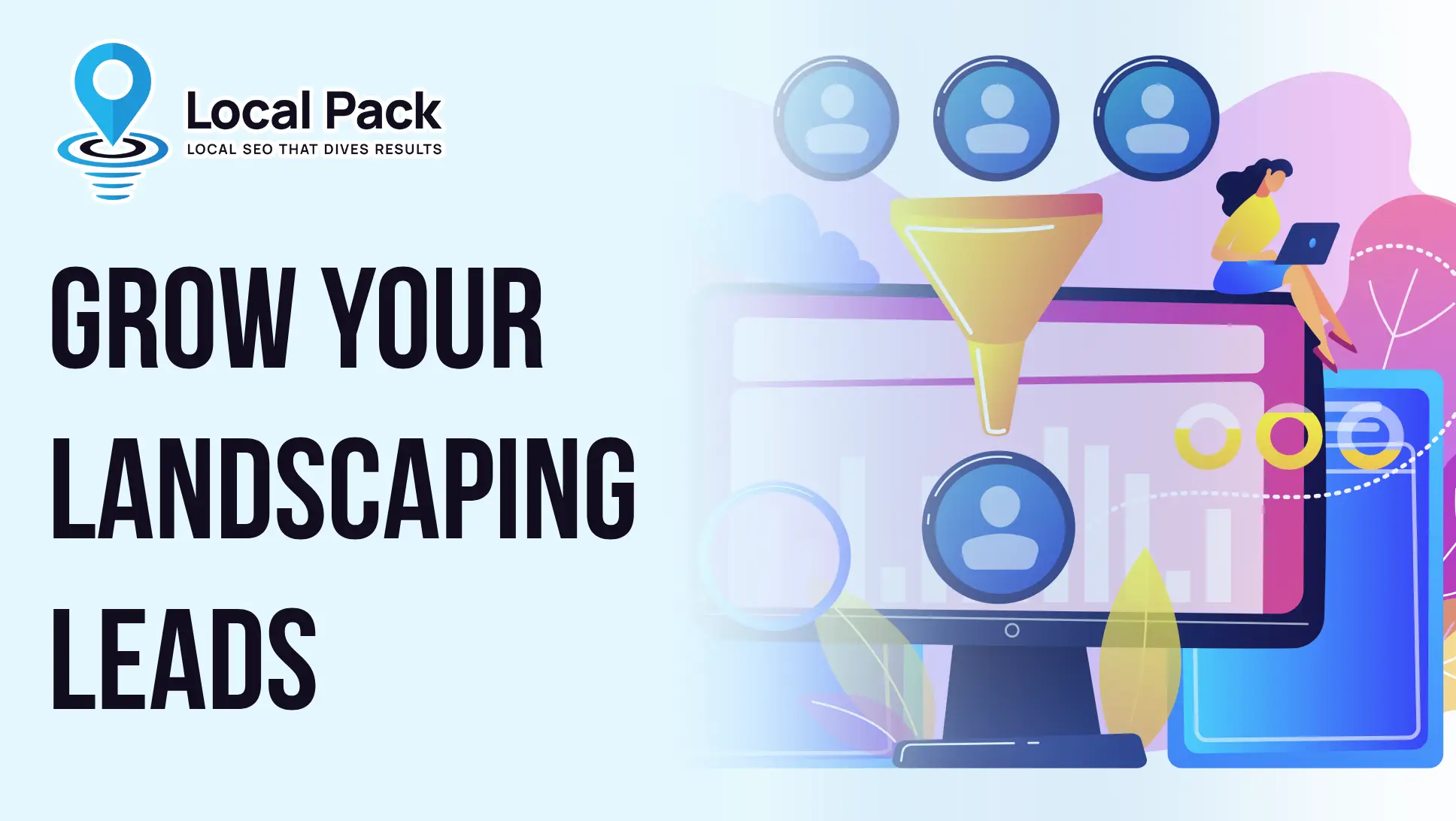
To grow a landscaping business in today’s competitive, AI-driven search landscape, you must implement lead generation strategies that serve both people and platforms. Using high-conversion tactics—like real project visuals, tracked CTAs, and service-specific content—combined with entity-rich, semantically structured pages ensures visibility across Google, AI Overviews, and voice search interfaces.
Introduction
Landscaping businesses face a growing challenge: how do you consistently bring in high-quality leads while standing out in a saturated market? Whether you’re offering lawn maintenance, hardscape design, or complete outdoor transformations, growth in 2025 demands lead generation strategies designed for both human users and intelligent search systems. This guide breaks down how landscaping professionals can use AI-aligned methods, conversion-focused assets, and content experience signals to generate leads that actually convert.
What Is Landscaping Lead Generation?
Landscaping lead generation is the process of attracting and converting individuals actively searching for services such as lawn care, sod installation, irrigation systems, and backyard makeovers. In the current search landscape, lead generation relies on more than just advertising—it integrates entity-rich content, structured data, and visual signals to ensure visibility across both traditional search engines and AI-powered discovery platforms.
Entity mentions and semantic concepts embedded in this process include:
landscape contractor, outdoor renovation, lawn care services, hardscaping, retaining walls, patio install, irrigation expert, native plants, sustainable landscaping, and residential property improvement.
Why Lead Generation Matters in 2025
Search technology has evolved. It’s no longer just about ranking webpages—it’s about being understood and recommended by intelligent systems like Google’s AI Overviews, voice assistants, and chat-based search models. Landscaping companies must ensure their services are clearly defined, visually demonstrated, and contextually linked to relevant search intents.
- AI Overviews often summarize top options based on clarity, trustworthiness, and structured content.
- Conversational search expects human-readable, answer-first responses from service businesses.
- Search embedding methods now reward multimodal content like image-rich galleries, video walkthroughs, and properly labeled service pages.
- Lead generation today must also account for how reviews, photos, CTAs, and internal UX structure signal credibility to AI platforms.
How AI-Ready Lead Generation Works
Text Embedding and Semantic Match
Modern AI models use high-dimensional text embeddings (e.g., 1024-dimensional vectors) to understand meaning beyond keywords. This allows your site to match search queries like “modern backyard design ideas” or “eco-friendly lawn alternatives” even if those exact phrases aren’t present—so long as the semantic content and entity relationships are well structured.
Entity Graph Optimization
When your services are clearly linked to known entities—such as landscape lighting, pergola construction, or native plant garden—AI systems can understand what you offer and how it relates to user intent. This makes your content eligible for recommendations across multiple AI channels.
Multimodal Signal Integration
Project photos, drone videos, and time-lapse installations not only impress human visitors—they feed visual models used in AI summarization, search previews, and social discoverability. Alt text, captions, and filenames should clearly describe what’s depicted (e.g., “custom paver patio with fire pit”).
Content Experience Optimization (CExO)
CExO combines technical SEO with UX strategy. Internal links between services, hover definitions on key terms, scroll-friendly layouts, fast page loads, and clear CTAs are all micro-signals that boost your ability to convert traffic. These experiences are also rewarded by AI summarization tools that value clarity and actionability.
Tip: If you’re new to technical SEO or need to brush up on the basics of structured, crawlable content, refer to Google’s official SEO Starter Guide. It lays out foundational practices that help landscaping businesses get discovered across search and AI platforms.
Implementation and Optimization
Lead Generation Checklist for Landscaping Companies
| Strategy | Purpose | How to Implement |
| Google Business Profile | Maps & local visibility | Include high-quality service photos, updated hours, real reviews |
| Dedicated Service Pages | Clarity for AI and users | Create individual pages for services like mulching, lawn installs |
| Lead Forms with Filters | Higher conversion intent | Ask for service type, timeline, and optional budget |
| Before/After Galleries | Social proof + visual signal | Label each project with the service completed |
| Client Reviews with Keywords | Trust and AI reinforcement | Ask clients to describe their project in their own words |
| Trackable CTAs | Understand conversion source | Add UTM links and phone tracking to buttons |
| Project-Based Blog Posts | Capture research-intent traffic | Use questions like “How to design a low-maintenance yard?” |
| Short Videos or Reels | Multimodal discovery | Feature transformation walkthroughs or seasonal cleanup tips |
| Internal Linking | Aid site structure and crawling | Link “landscape drainage” to “yard grading” and related services |
Real-World Examples
Case Study: Elevated Landscape Co.
A small landscaping company updated their website with service-specific pages, weekly blog content focused on common homeowner questions, and short video clips of before-and-after projects. Within 60 days, they experienced:
- 62% increase in form submissions
- 47% longer average session duration
- 19 new clients mentioning specific content they saw before calling
Use Case: Natural Touch Landscaping
This team implemented UTM-tracked buttons across their quote pages and added testimonial sliders with client photos. By analyzing which pages drove the most conversions, they shifted ad spend to the top-performing pages, reducing cost-per-lead by 38% and increasing lead volume by 54% in three months.
Conclusion & Next Steps
The future of landscaping lead generation lies in building discoverable, trustworthy, and conversion-ready experiences across both human and AI interfaces. By combining structured content, compelling visuals, and clear calls to action, you can build a steady pipeline of high-quality clients. Review your existing digital assets, fill gaps in service visibility, and optimize for both behavior and intent.
Need expert help? Contact Local Pack to map out a lead generation strategy built for modern discovery platforms and measurable ROI.
Frequently Asked Questions
What’s the most effective way to generate landscaping leads?
Short answer: Combine service-specific landing pages, tracked CTAs, and project visuals. Expanded: You need to show what you do, prove you’ve done it, and make it easy for prospects to act. High-quality pages, detailed service descriptions, real photos, and mobile-optimized forms outperform generic marketing tactics.
Does traditional SEO still matter for landscapers?
Short answer: Yes, but it must evolve with AI.
Expanded: Today’s SEO means more than keywords—it includes structured data, semantic content, and content that machines understand. Service pages, FAQ sections, and review-rich profiles all help modern SEO work for lead generation.
How do I convert more website visitors into leads?
Short answer: Use strategic calls to action and proof-driven visuals.
Expanded: Add CTAs that are clear, place them after value-driven content, and support them with trust signals like client photos, testimonials, or completion timelines.
Can social media generate real landscaping leads?
Short answer: Yes, when used with intent and targeting.
Expanded: Social platforms favor video content and real project highlights. Posting reels, client shoutouts, and seasonal tips with links to your quote or contact page drives measurable lead activity—especially when supported by video metadata and platform-specific engagement strategies.
What kind of content helps you rank in AI Overviews?
Short answer: Clear, structured answers to common questions with supporting media.
Expanded: Build pages or posts that directly answer “how” or “what” questions related to landscaping. Start with the answer, use supporting bullet points or examples, and format consistently with H3s and paragraph spacing. Supplement with project photos or short videos where possible.